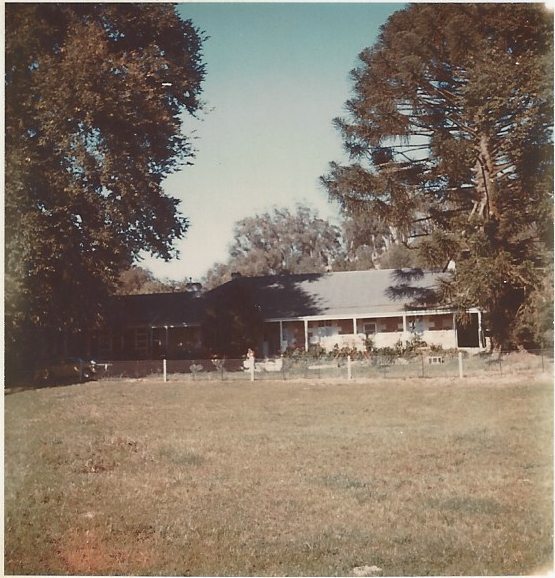
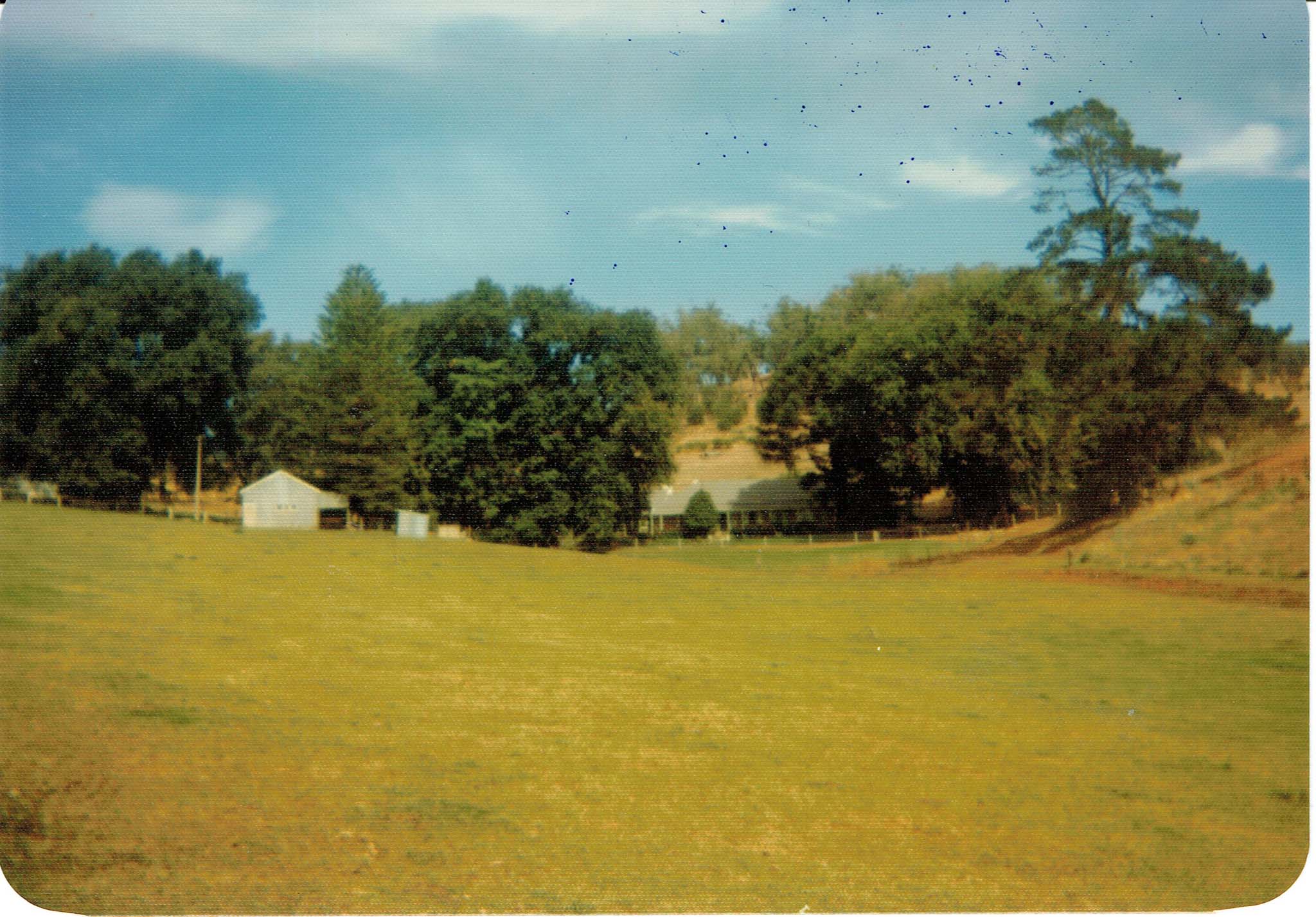
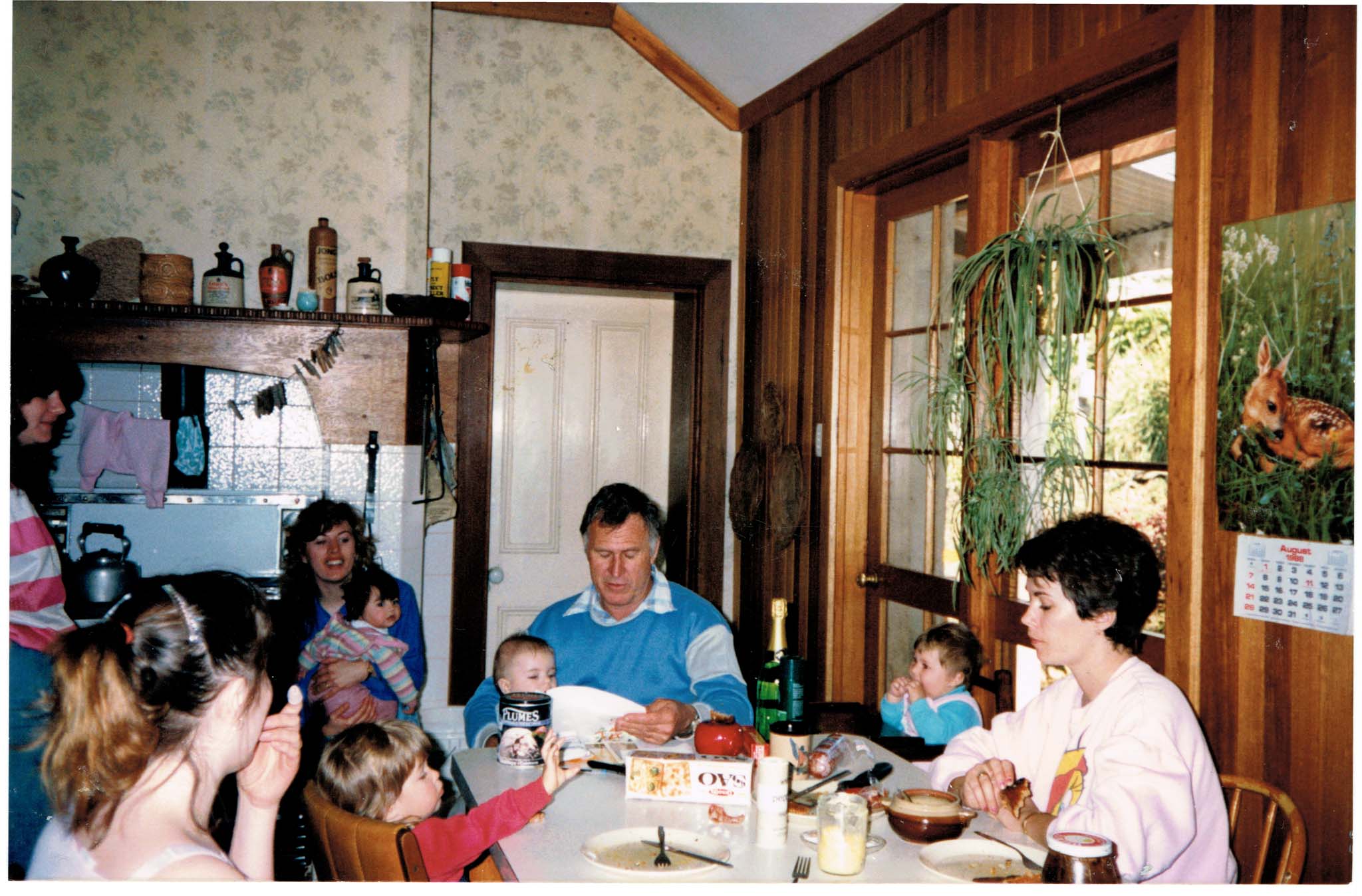
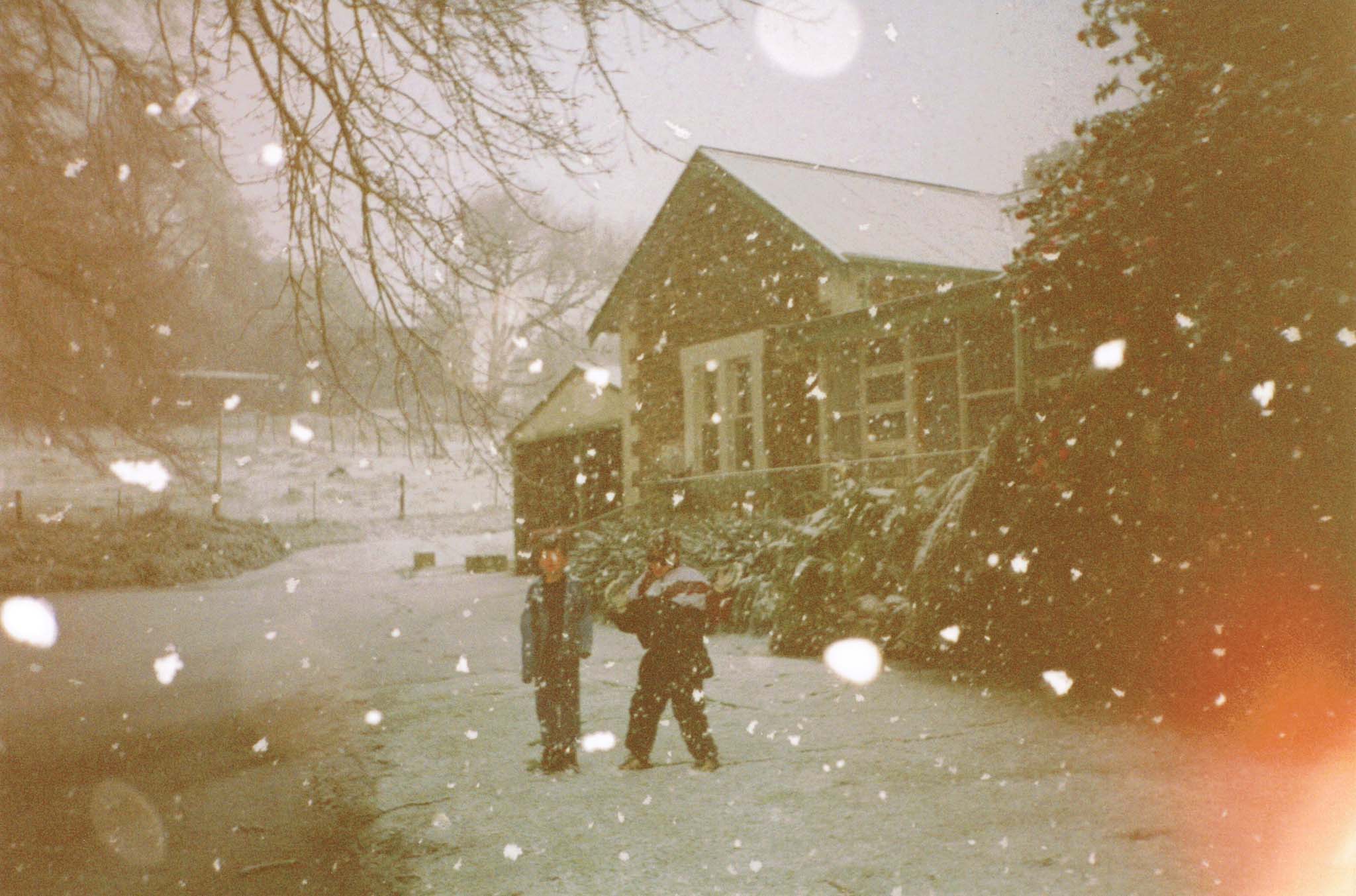
Douglas and Margaret Reid purchased ‘Netherhill’ in July 1974 for $76,000. They paid an additional $14,000 for a 90-head herd of cattle (made up of about 65 milking cows, breeding bulls and some heifers and steers), plus $6,000 for plant and equipment. The Reids had been based in Adelaide for around 14 years where Doug had a consulting civil engineering business and Margaret was raising their six children (David 1955, Allyson 1960, Rebecca 1963, Belinda 1964, Kathryn 1967 and Andrea 1969).
Douglas was a second generation Australian, being born in 1933 to emigrant parents from the Shetland Islands. He was raised in the South Australian steel town of Whyalla. He completed his schooling in Adelaide and returned to work in Whyalla as a cadet mechanical engineer with the BHP. Margaret (nee Ridgway) was born in 1934. She was a fifth generation Australian, and descendant of the well-known South Australian pioneering Ragless and Ridgway families, who were successful pastoralists in the north of the state. She grew up on a sheep and wheat farm at Lock on the West Coast and completed her secondary schooling at Port Lincoln and tertiary education in Adelaide where she attended Teachers’ College in Kintore Avenue. After completing her three-year art teaching course, her first teaching job was in Whyalla, where she met and married Doug.
After spending a considerable amount of time living in Adelaide, where Doug had carved out a successful civic engineering career, Margaret had always longed to return to her farming roots. A bold decision made in 1974 resulted in a ‘tree change’ and they, along with five of their children, moved to the Adelaide Hills after purchasing the ‘Netherhill’ property on 14th June 1974. While waiting for their existing 107-acre property at Clarendon to sell, their accountant organised bridging finance from a Northern station owner.
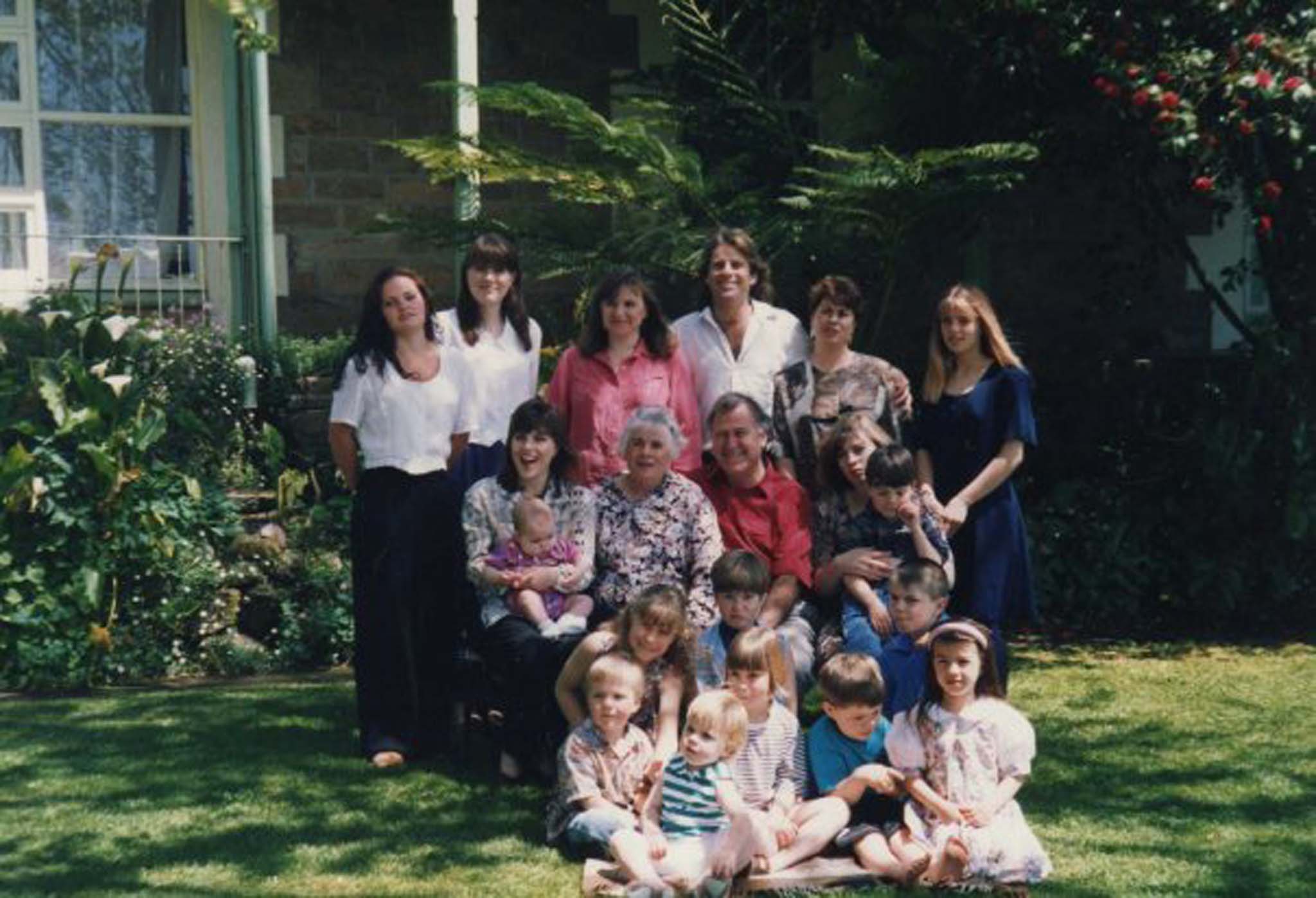
(On the left, Reid family when they arrived at Netherhill in 1975.)
In 1974 the Cattle Crash devastated the nation’s entire beef industry. This has been described as the blackest economic period in the Australian cattle industry’s history. Virtually overnight, cattle prices plummeted to the point of being worthless. Great numbers of graziers and producers were forced into bankruptcy and had no choice but to walk away from their businesses, properties and homes. Cattle prices remained well below production value until at least 1976. By 1978, the national cattle herd had halved and confidence in the industry and markets slowly returned.
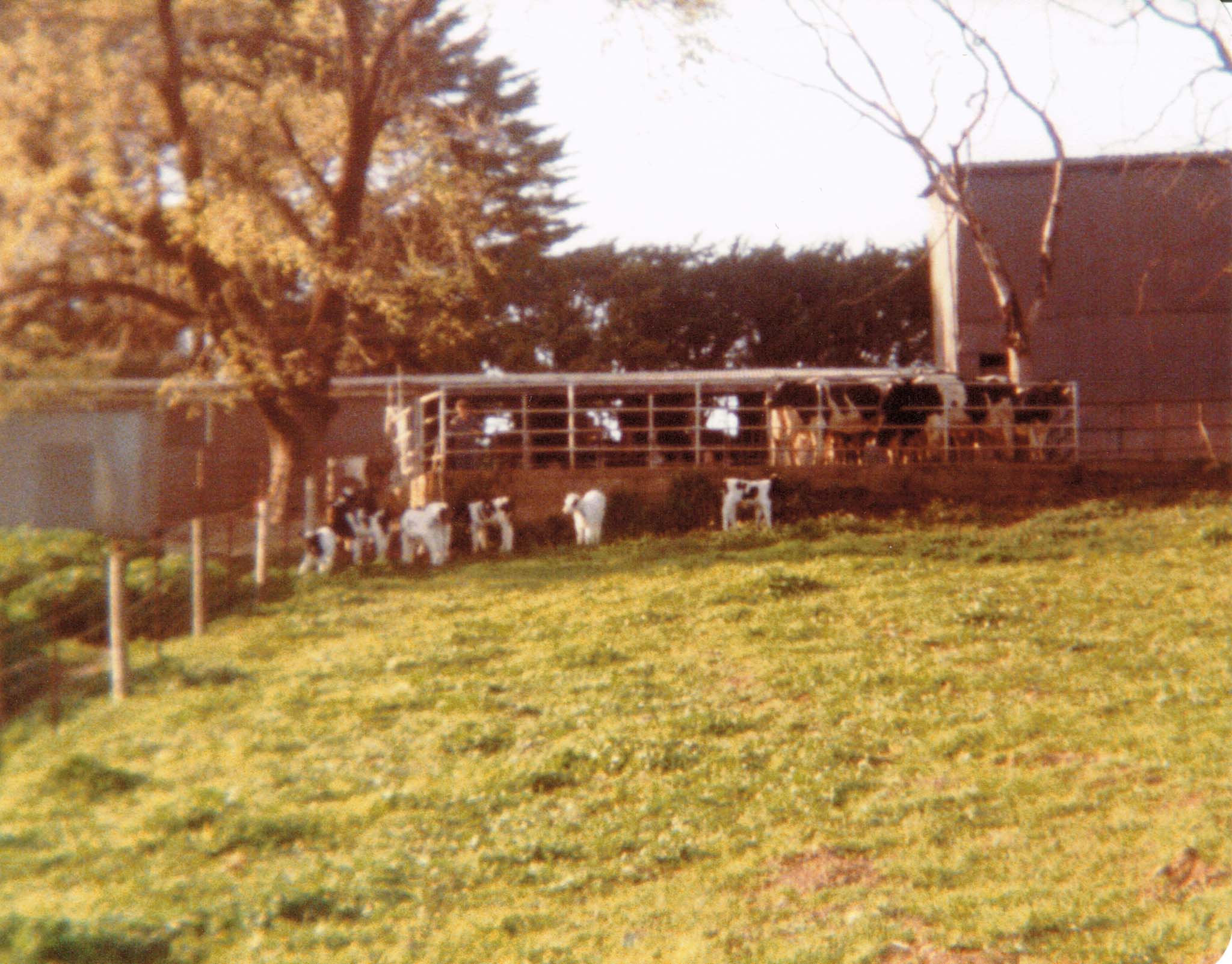
Without any previous experience in the cattle industry (Doug had never even touched a cow), and due to the bottom suddenly falling out of the Australian beef industry, the Reids decided to take over the Sandercock’s existing dairy herd and become instant dairy farmers. The Sandercocks had the property on the market for a year and had mated all the dairy cattle to beef. Unfortunately, a Hereford/Friesian cross bull had been running with the herd and had mated all the young heifers. This caused huge calving problems which turned out to be a harsh introduction to farming for the Reids. Lionel and Beryl Sandercock stayed sharing the house at the ‘Netherhill’ for six weeks until their new house was ready and the had Reids settled in and learnt the ropes. Margaret says the first time the Sandercocks gave a milking demonstrated, they used one cow called Snowy. The first milking of that one cow took two hours! They did get faster. It was during this time that Beryl and Lionel relayed many family and Netherhill stories to Margaret

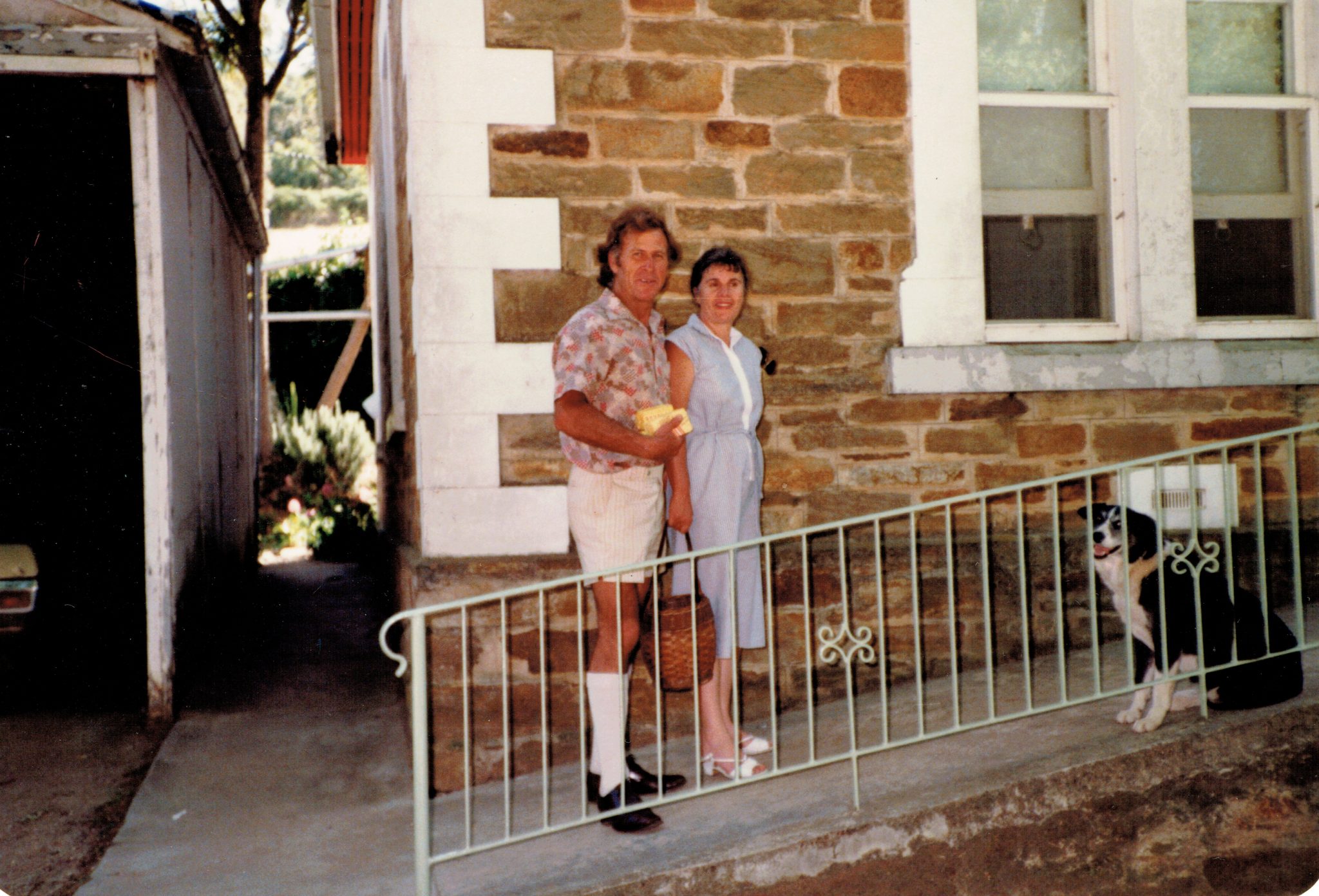
(Above, Doug and Margaret Reid the Day After Ash Wednesday.1983)
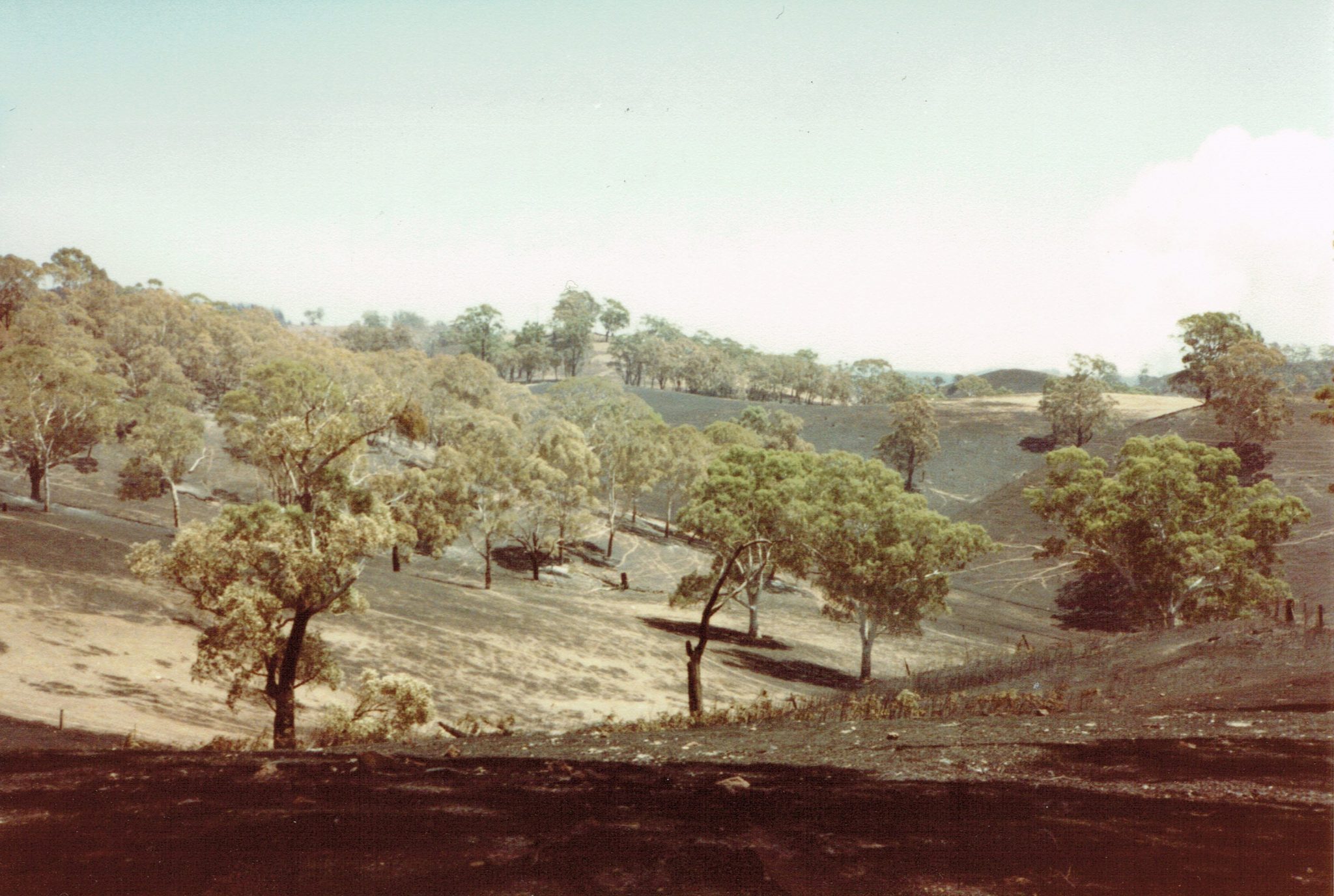
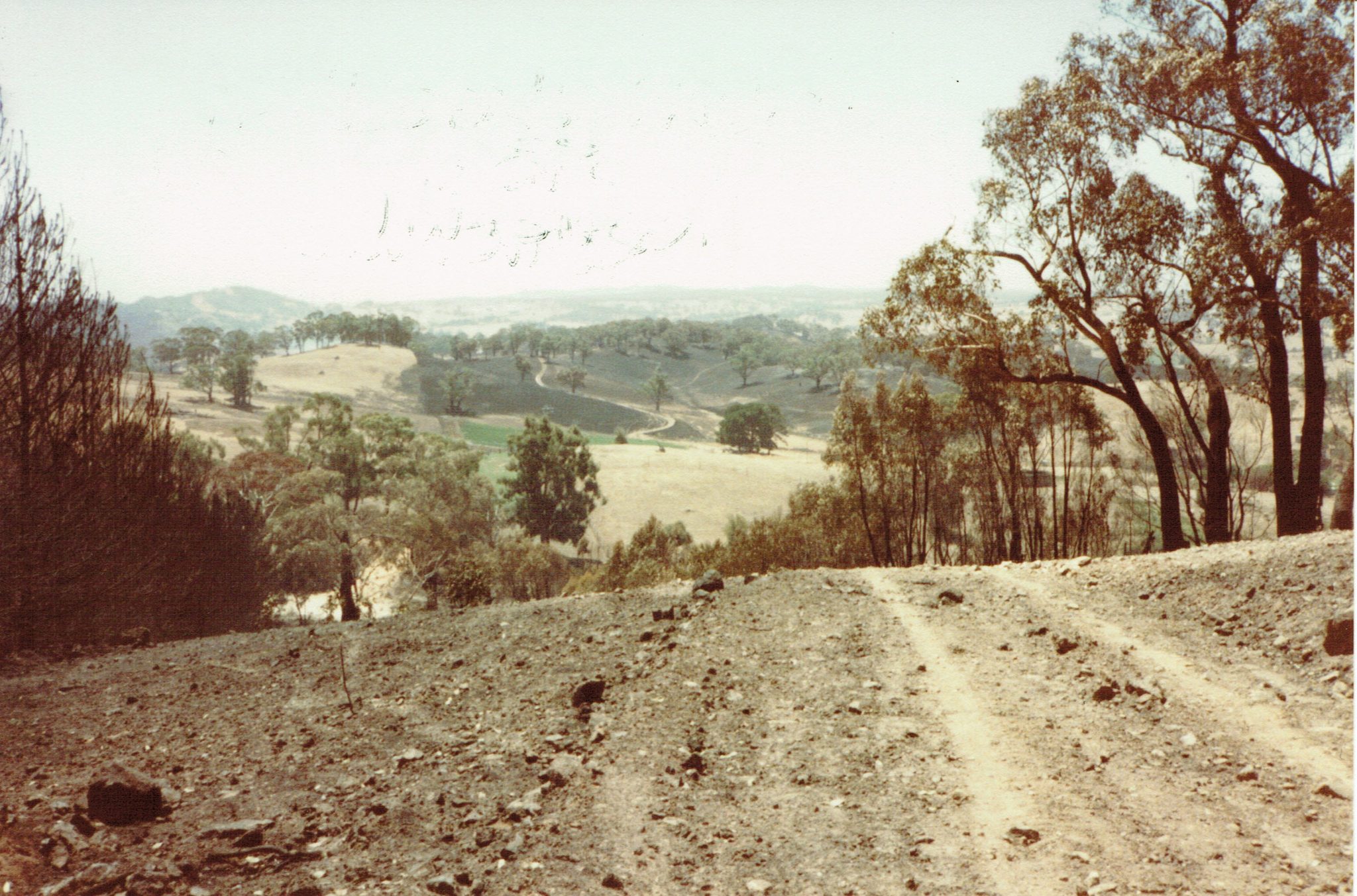
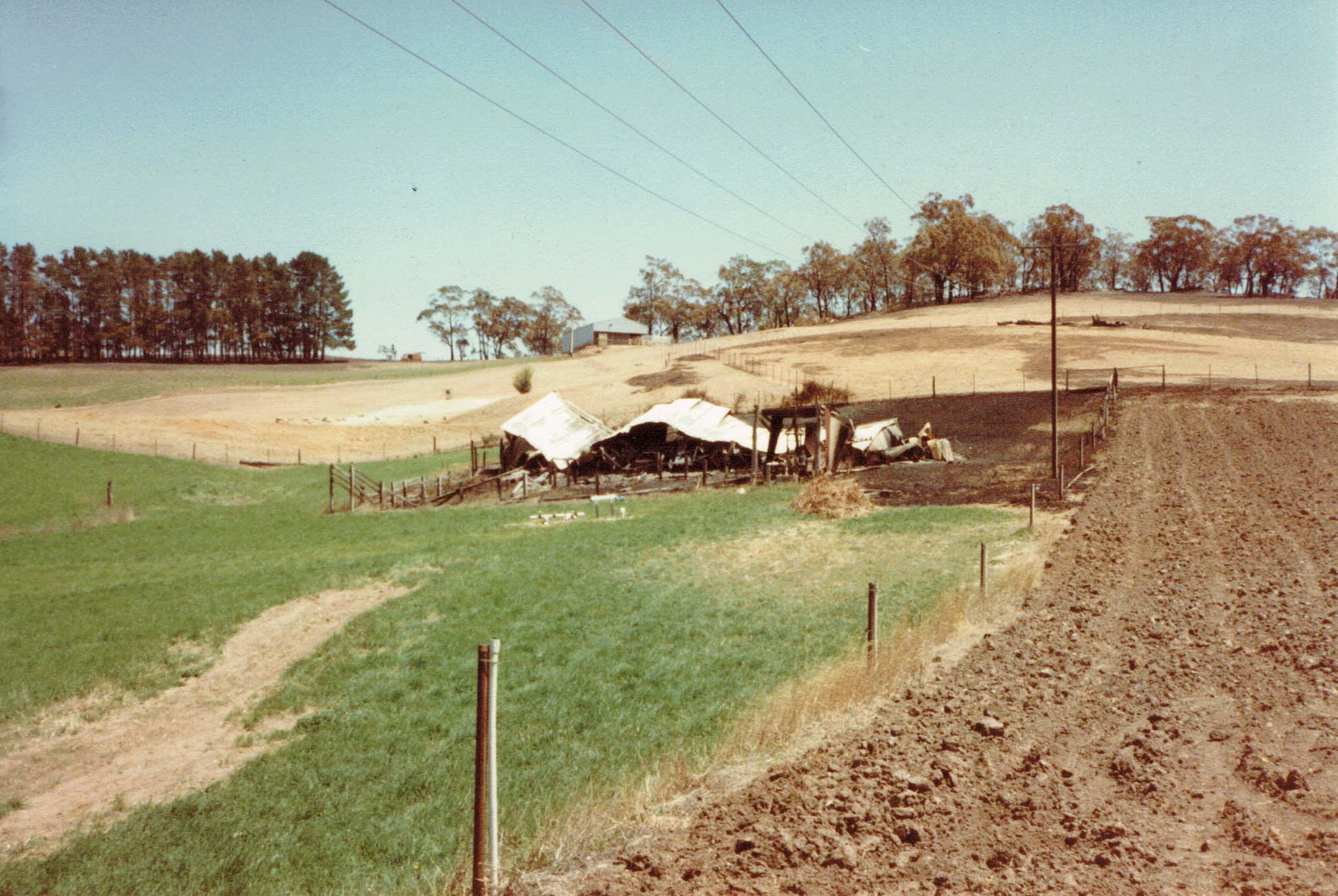
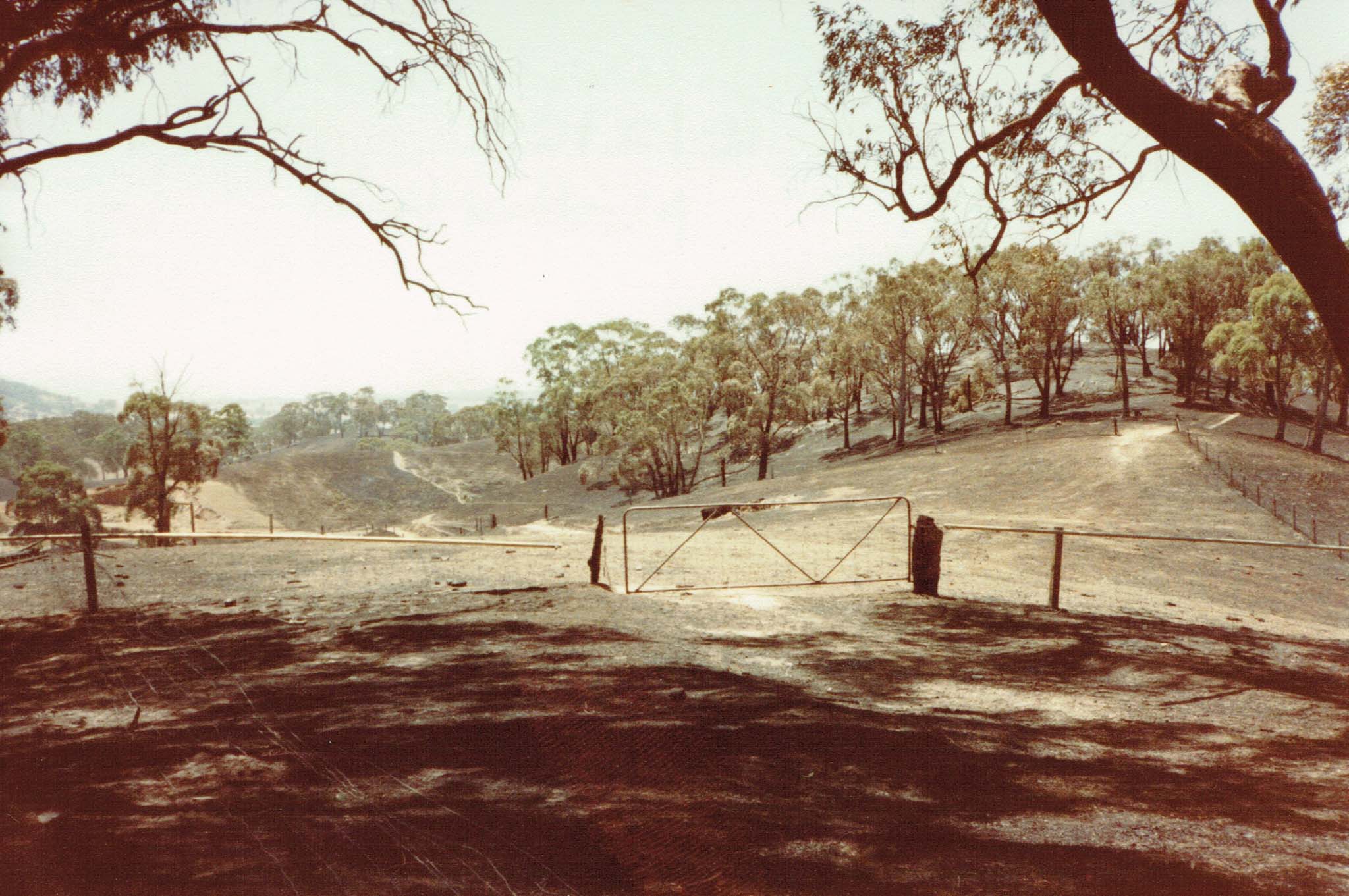
For the first year, Doug and Margaret milked together, and Doug also continued travelling to his Adelaide office. Doug soon wound-up his engineering business and joined Margaret in the dairy and sold some land they held at Clarendon. They continued dairying together for eight and a half years – Margaret would do the morning milking and feed the calves and Doug would work on the farm during the day and then do the evening milking. In that time, the dairy excelled to become the fourth highest recording dairy in the northern Mt Lofty Ranges and ninth in the state. They eventually sold the herd in 1982. When the Ash Wednesday bushfire came through Kenton Valley in February 1983, the only remaining livestock on the property were 12 young heifers. (Ash Wednesday Stories)
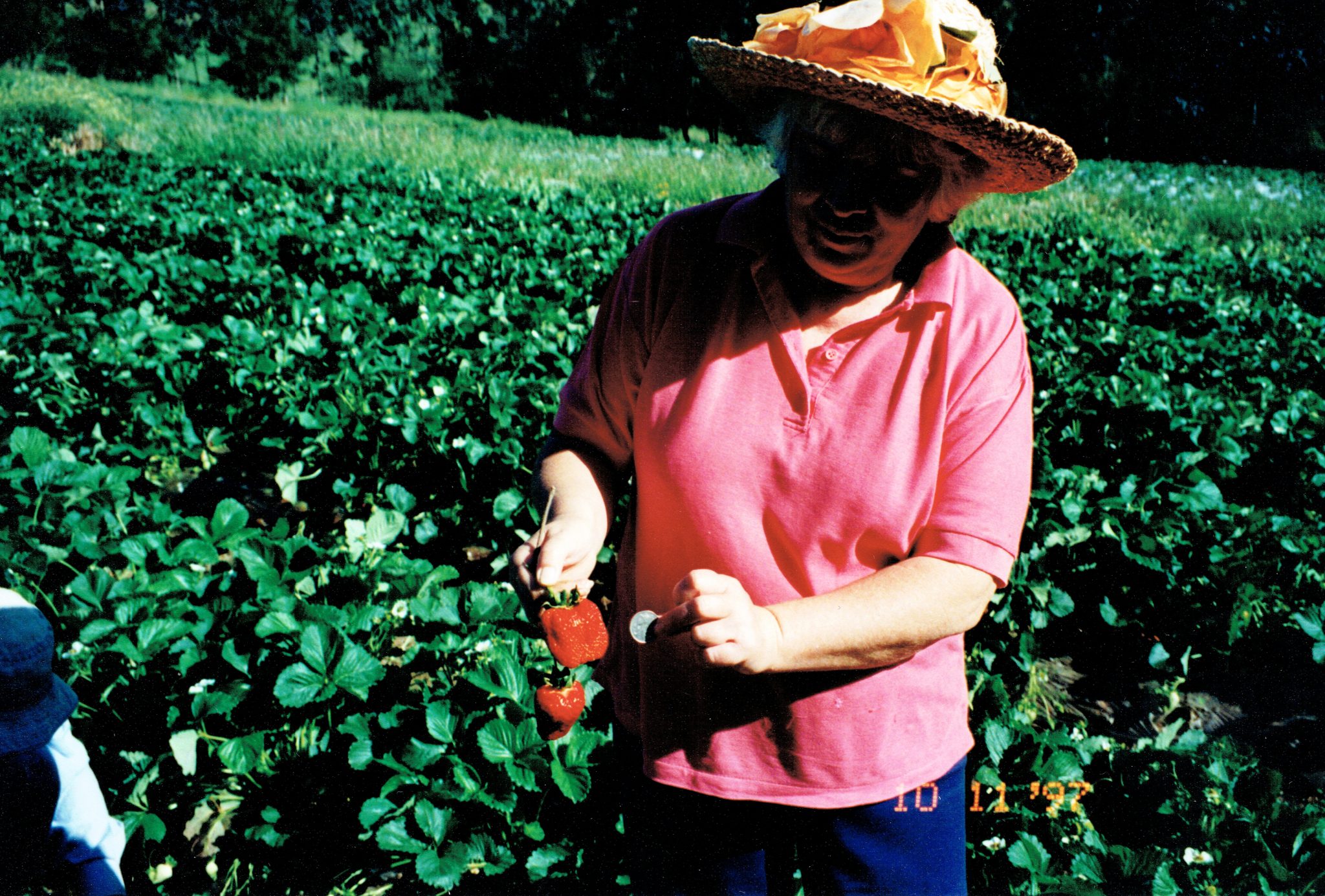
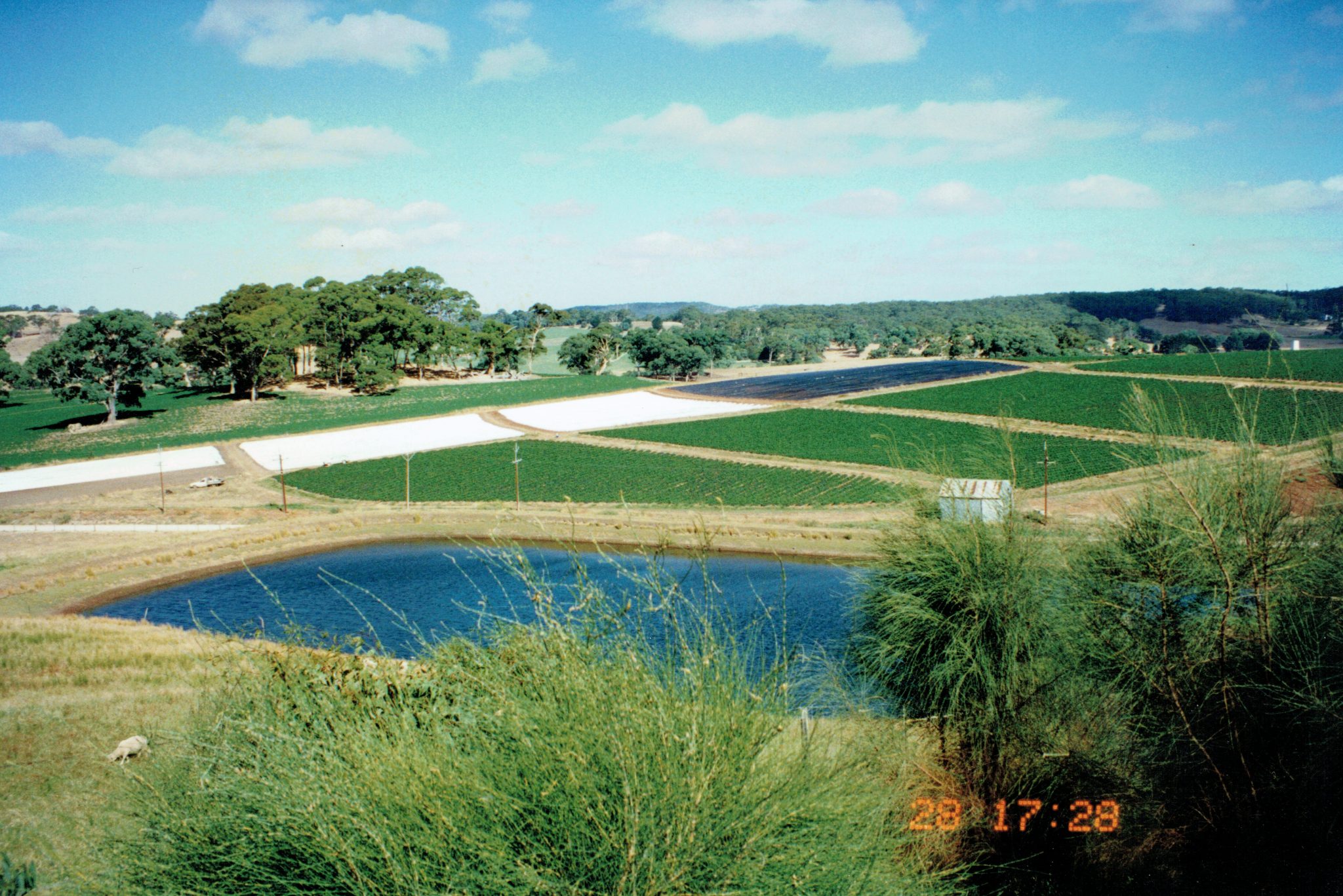
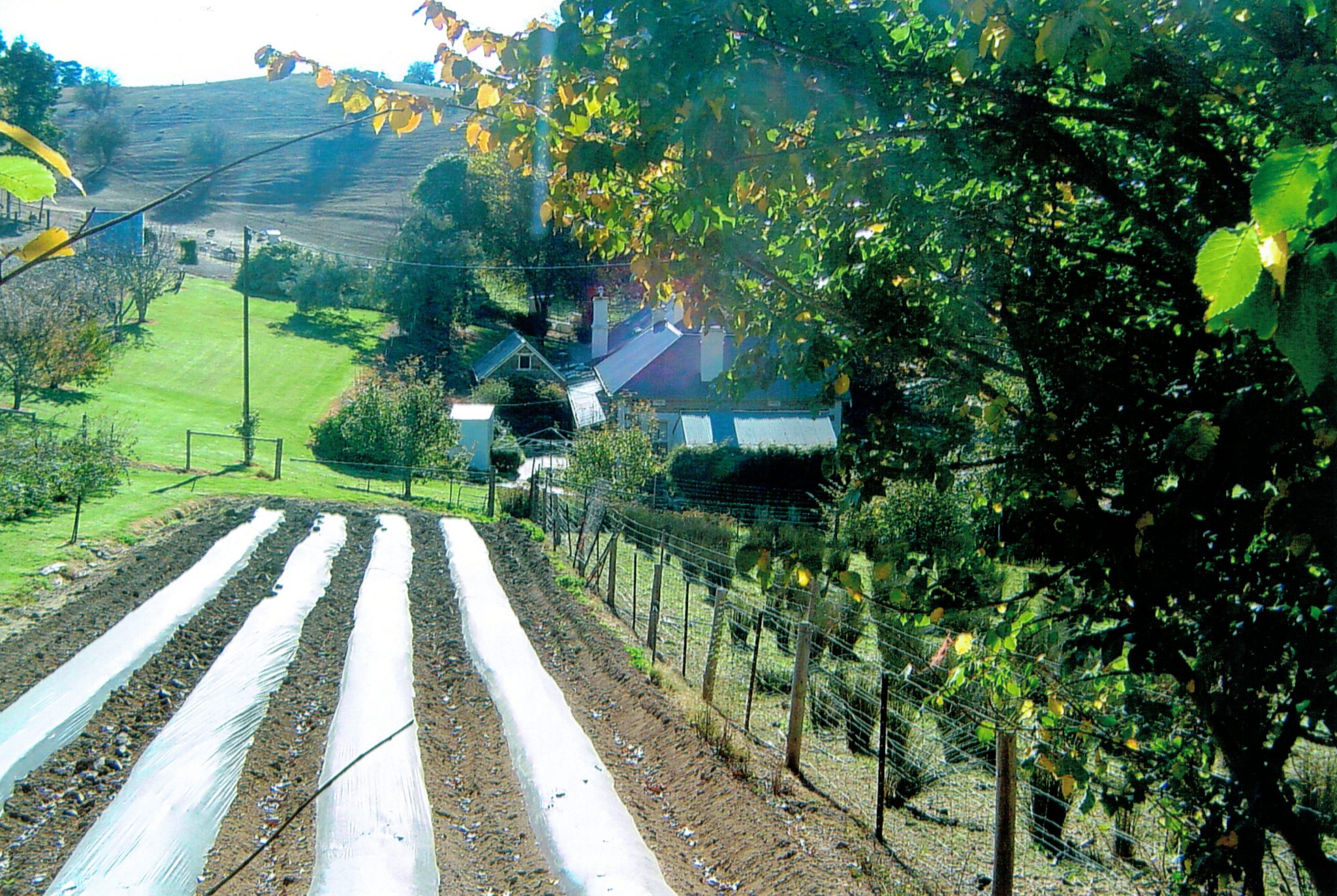
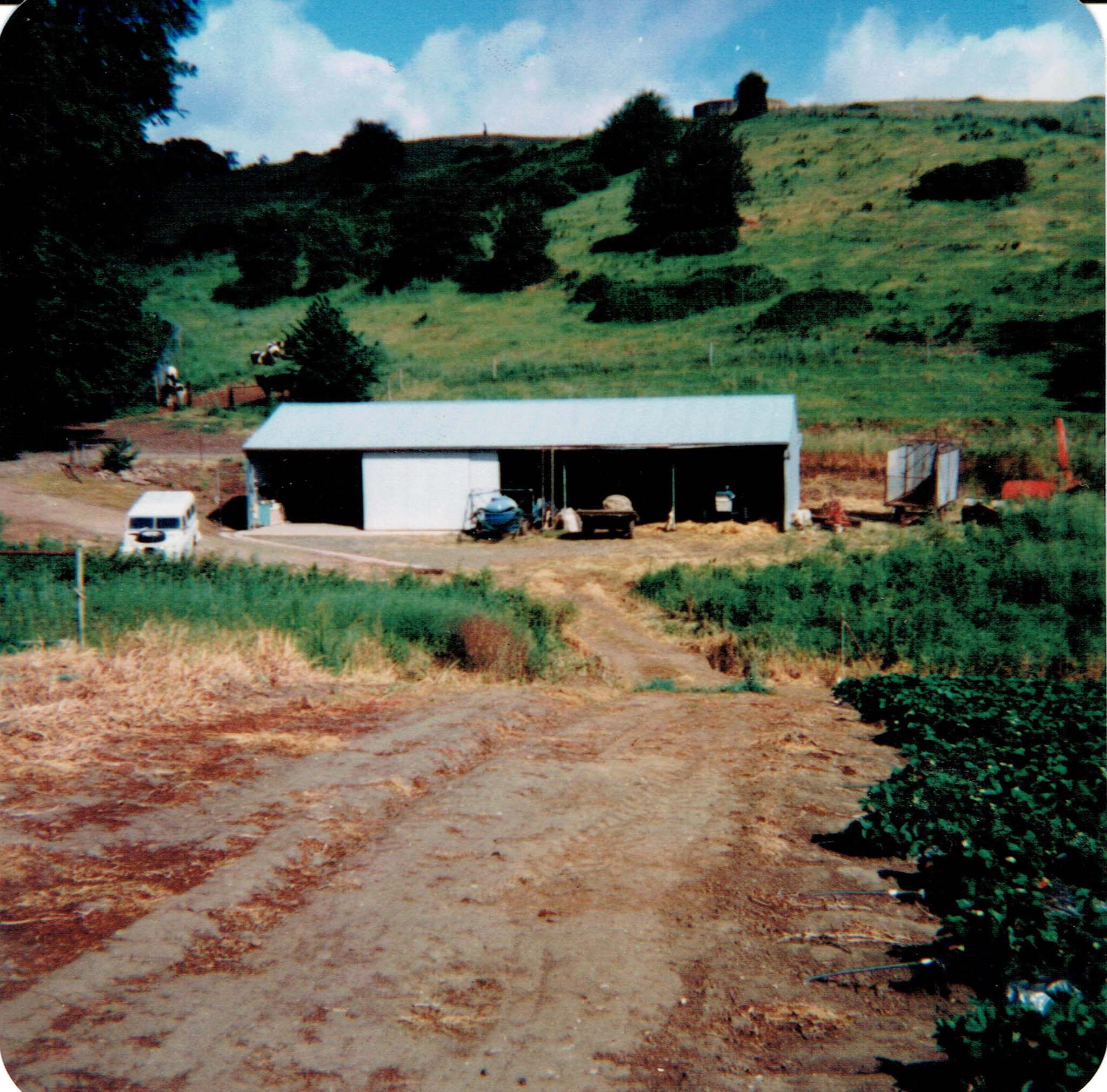
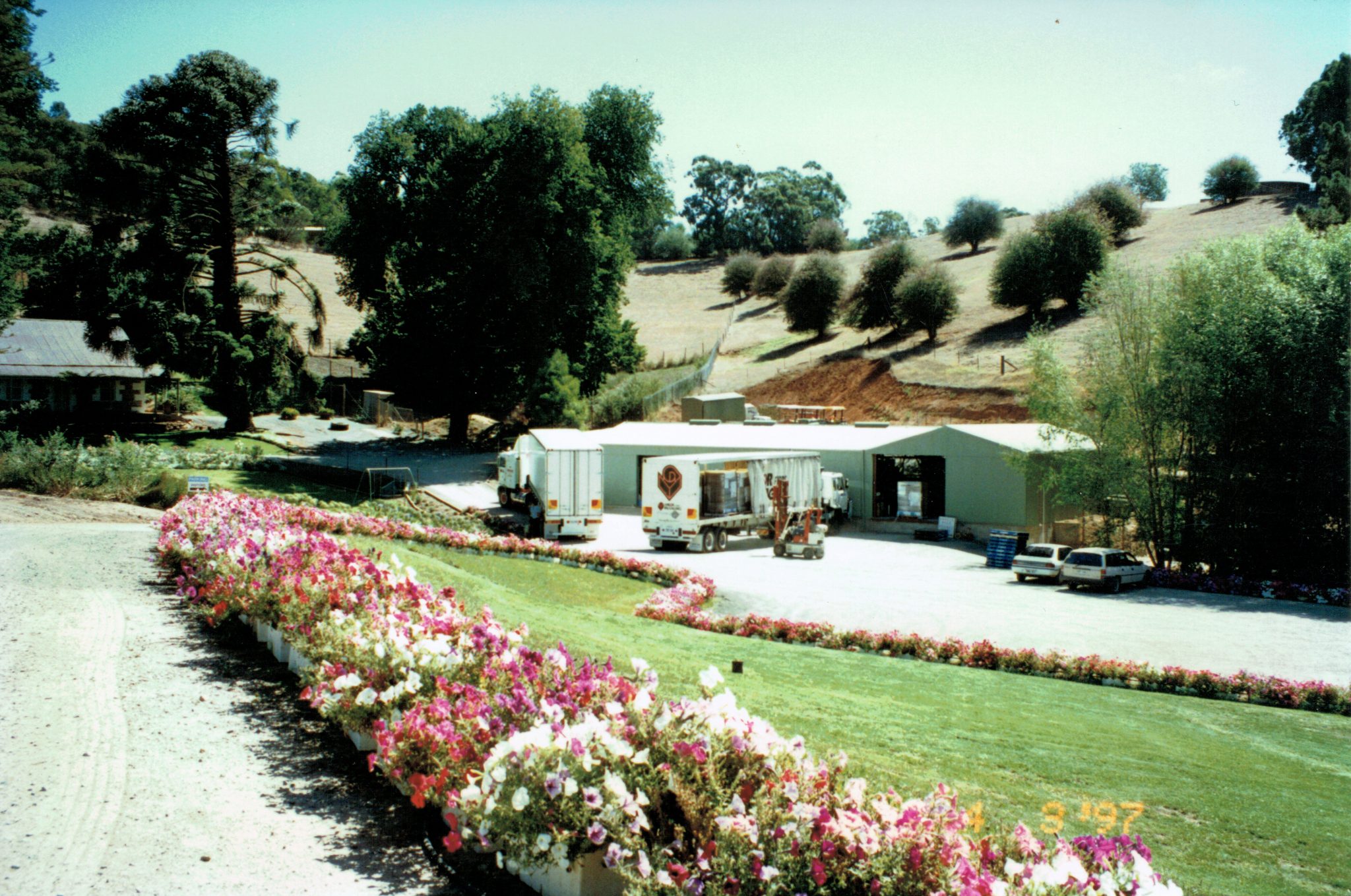
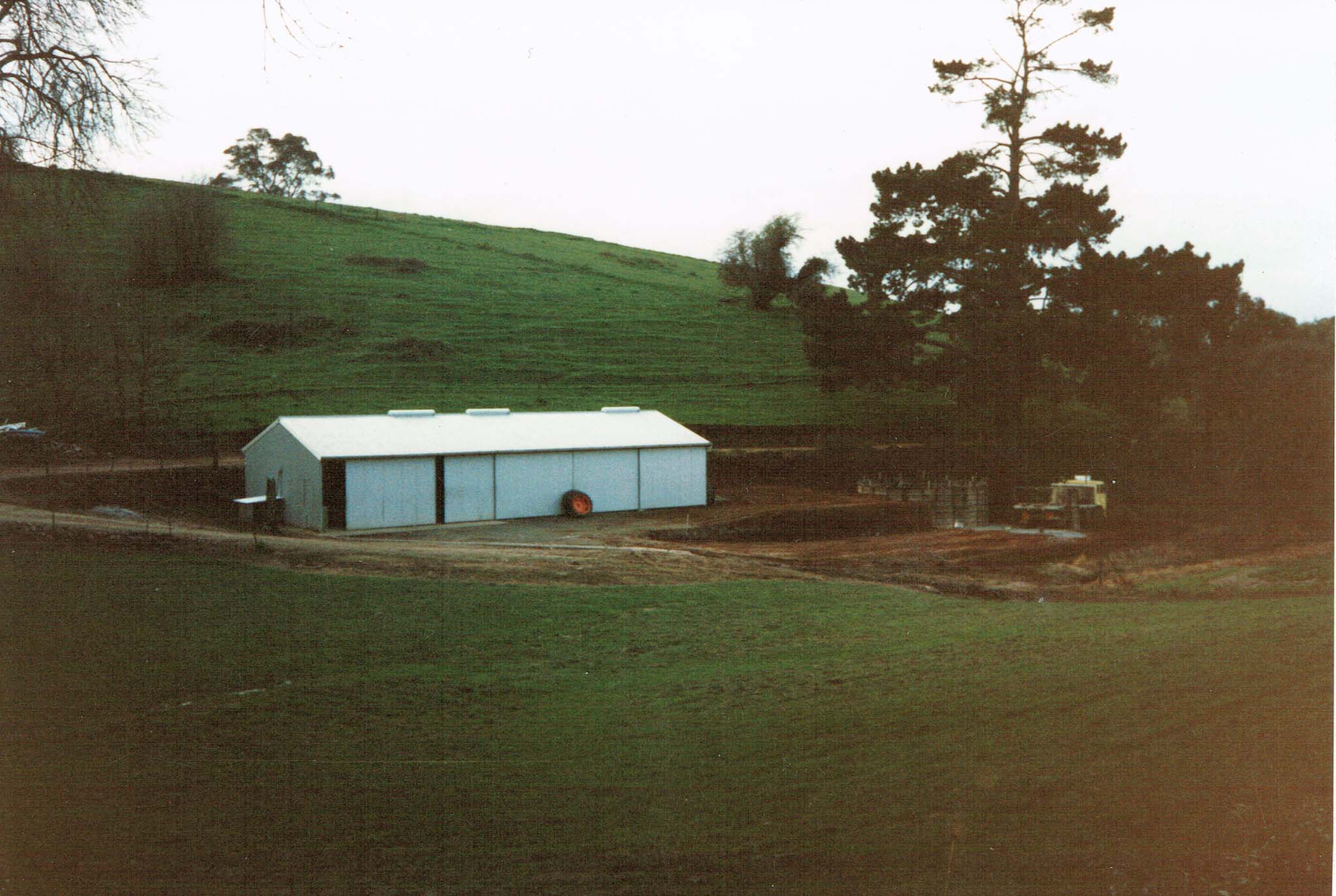
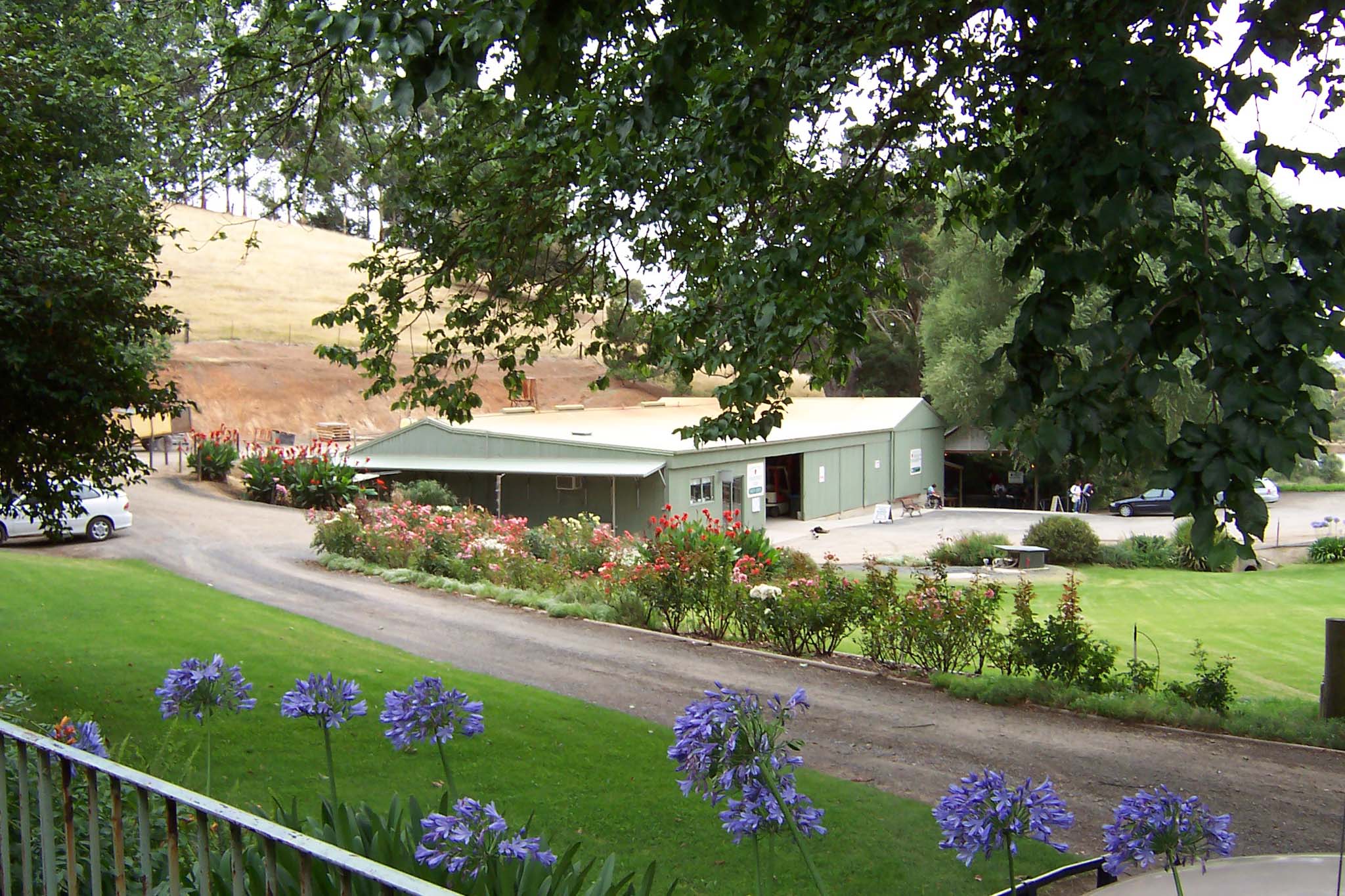
By 1983, Doug and Margaret had planted a plot of 4,000 strawberry plants (half an acre). The strawberries were originally packed on the dining room table and cooled in an old spare household fridge. The following year, in 1984, they planted 10,000 plants on the ‘Top Flat’—the paddock out the front of the ‘Netherhill’ house. The packing shed was first built in 1981 as a 60ft x 25ft hay shed, with concrete in the first 20ft bay. The following bays were eventually concreted and a 12ft x 6ft cool room installed in about 1982. The packing shed was extended several times by 1999—including the addition of a farm shop and a covered outdoor eating area to cater for the growing customers and tourism, and an extensive cool room facility. (Pictures of the packing shed)
(On the left, Packing shed at Netherhill – loading trucks.)
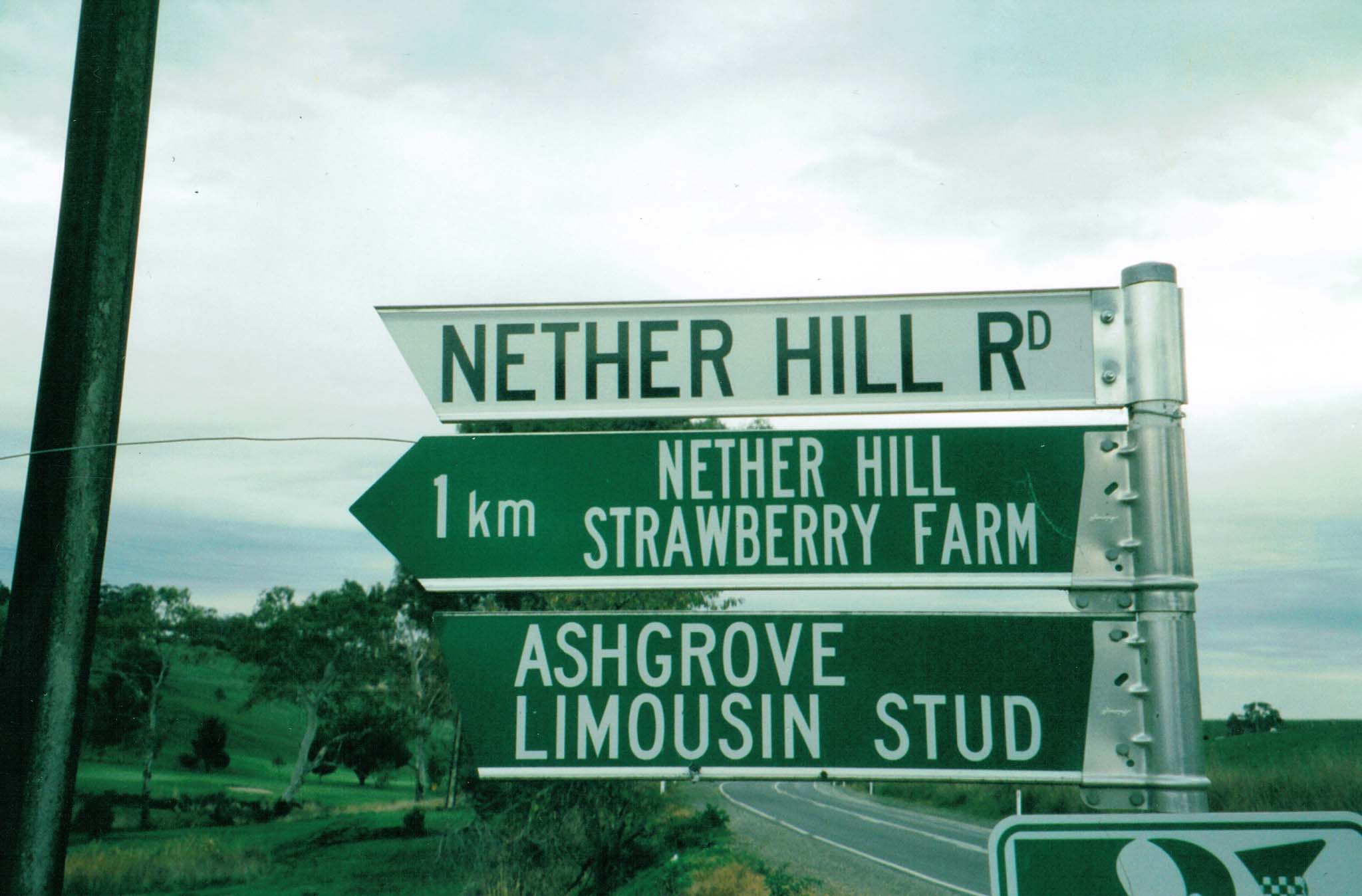
The strawberry operation expanded rapidly. At the height of the operation, there were 33-acres under strawberries, being 330,000 plants (planting at 10,000 plants to the acre) and about 70 employees—mostly Vietnamese with some Cambodians and Australians. Tourism took off and the farm shop became extremely busy during strawberry season with local and visiting customers, day-trippers and various social groups. At Christmastime, the busiest period of the year, there would be a constant stream of customers driving up Netherhill Road all day long. Fruit was also sold locally at the Angaston Farmers’ Market and at the Lobethal Lights.
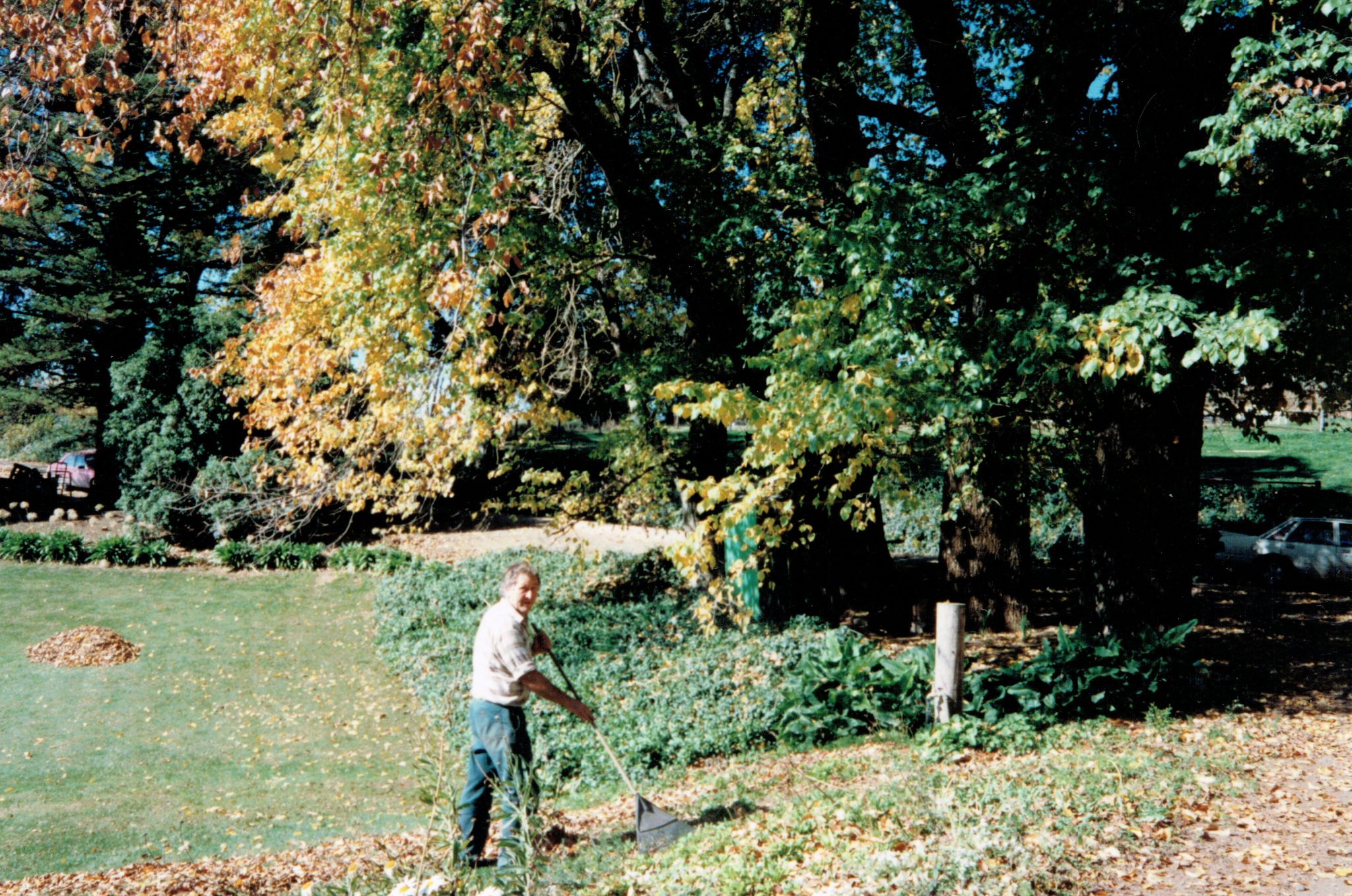
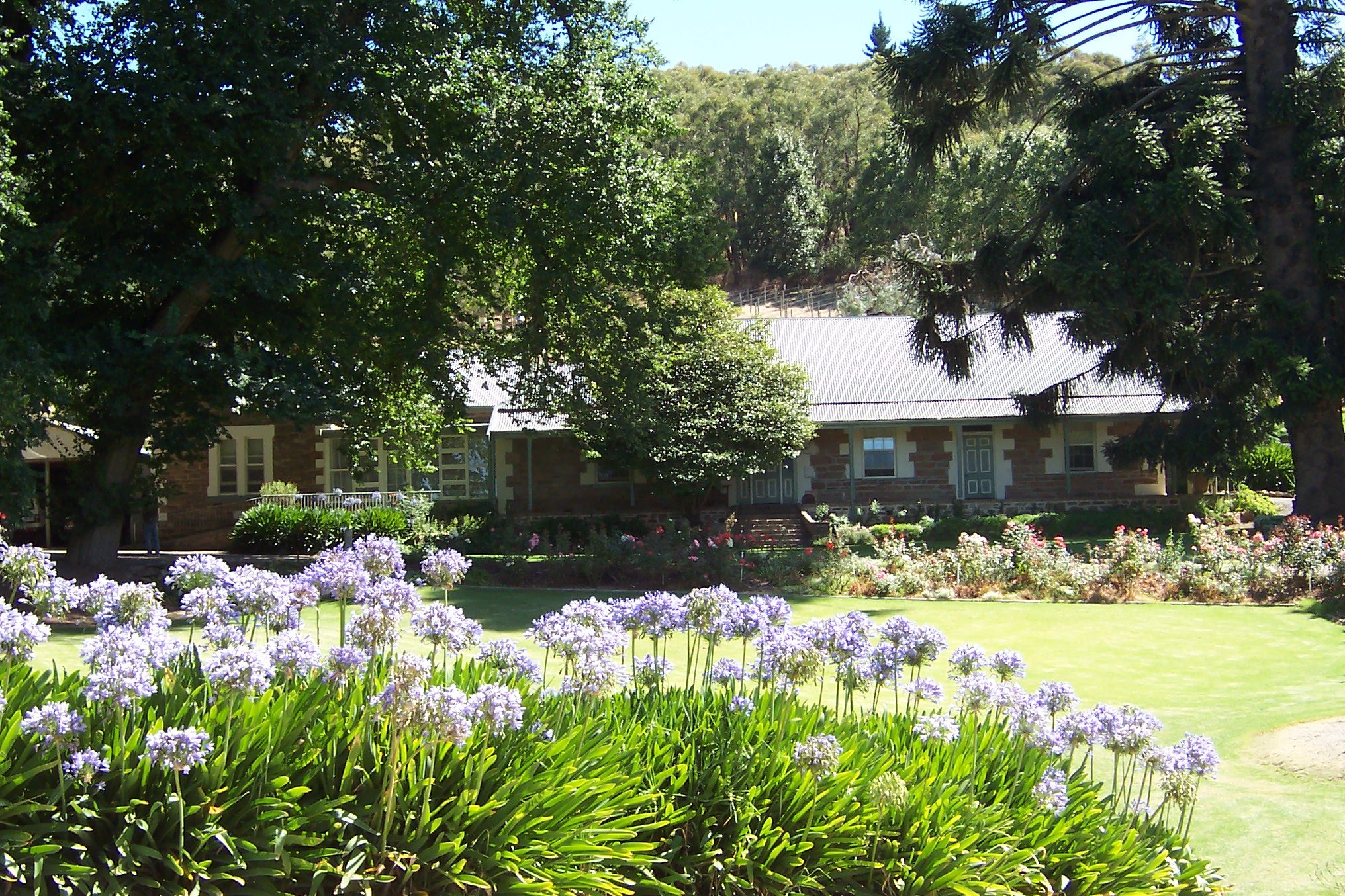
The ‘Netherhill’ gardens were expanded in about 1986 after the Doug and Margaret came back from visiting the United States on a business trip. They had toured through the Rocky Mountains and realised the potential of planting gardens on the unproductive and steep, rocky terrain. The original trees in the extensive gardens were planted below the house to the north on the hill side (originally the Sandercock’s ram paddock). These trees had been planted by Margaret and her mother, Barney Ridgway, in the late 1970s. They were a mix of Tasmanian Blue Gums, Stingy Barks, Viminalis, Red Gums and Pink Gums. When these trees had become fully established some years later, they formed the foundation of the current-day ‘Fern Garden’ which was irrigated throughout.
‘Rocky Hill’, to the west of the large dam, was originally overtaken by blackberries and gorse bushes that were so thick you could walk on top of them. When these weeds were killed off and set fire to, the remains of a neighbour’s missing horse were found in the gully. Unbeknown to anyone, some years earlier the poor horse had become trapped in the thick blackberries and died. On clearing the area, they also found an old stone road that had been constructed in the gully, with a spring and clay pipes. Stories handed down by the Sandercock family mention this spring had been the sole source of water for Kenton Valley during the 1914 drought.
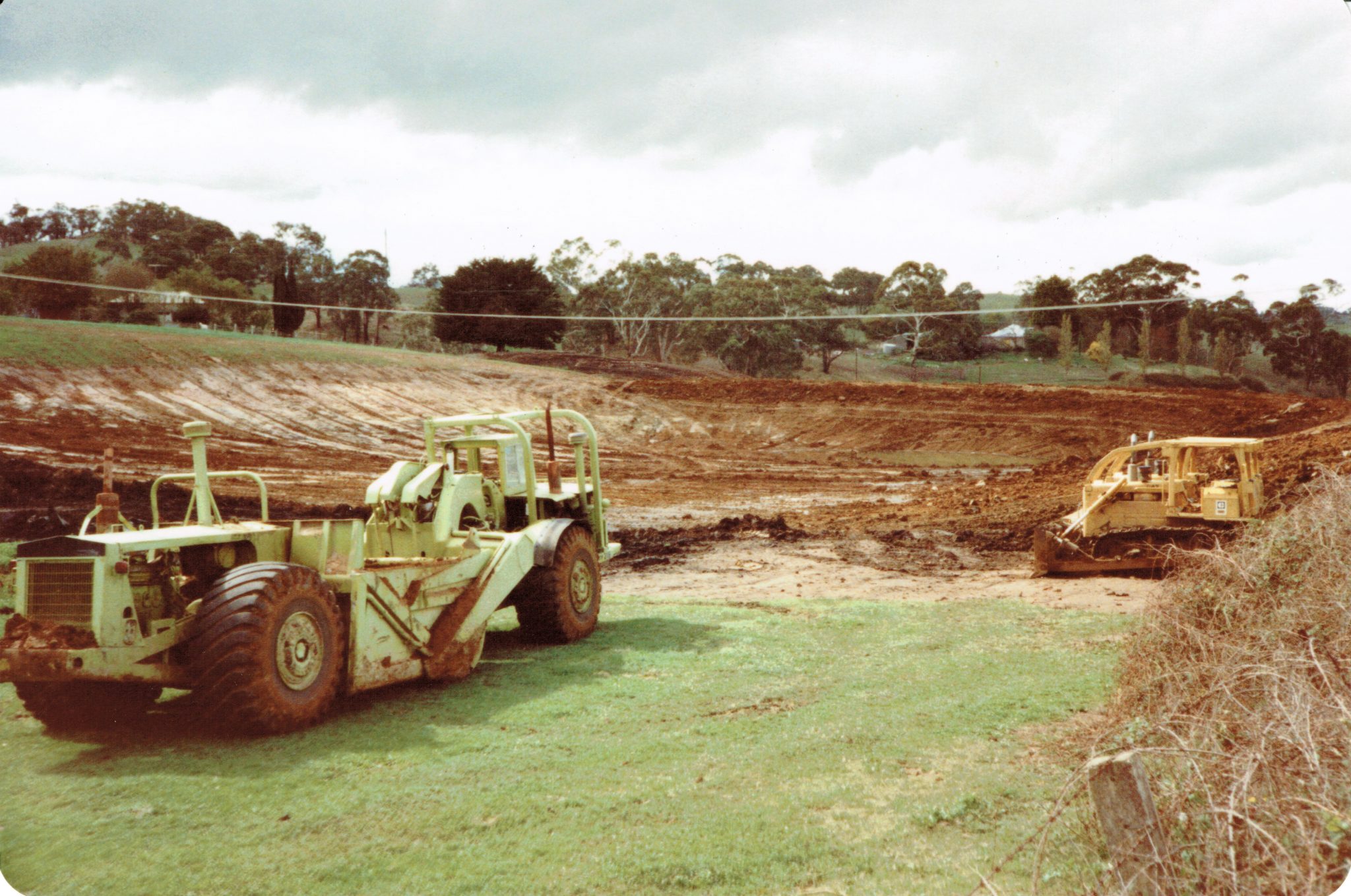
The Reids extended the new gardens right out to ‘Rocky Hill’ and these gardens were planted with gum species that were considered more bushfire retardant. There were walking paths, bridges and several little waterfall and dams built throughout the gardens. These walking paths became popular by visiting tourists. Large numbers of trees were planted towards the back of the property towards ‘Windy Hill’ but were burnt out in the 2012 fires.
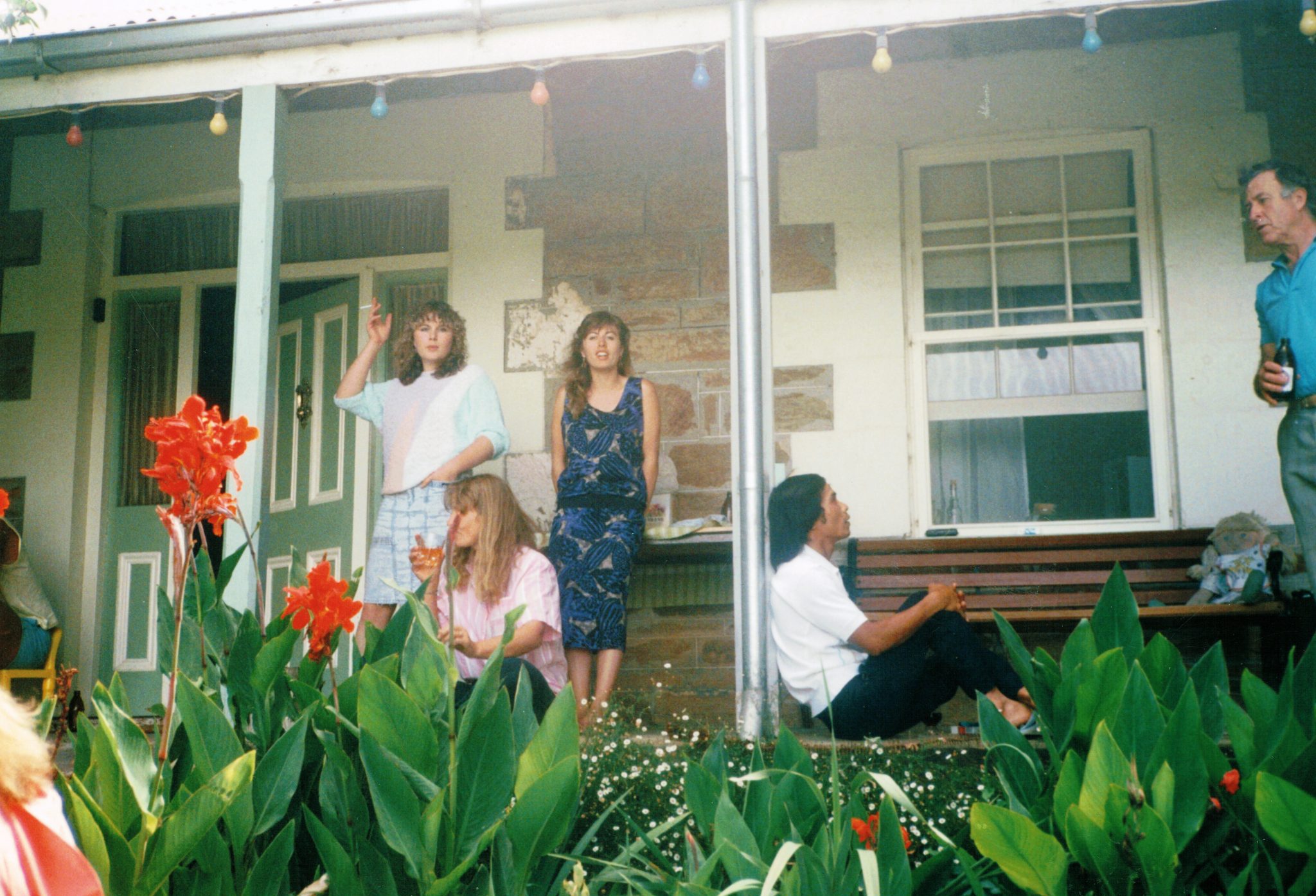
When Doug and Margaret first moved to ‘Netherhill’, the house was in desperate need of some modernisation and they soon embarked on a large renovation project, which, amongst other things, included:
- Modernising the kitchen (after removing the plaster they discovered the walls were originally whitewashed.
- Blocking off the old back kitchen door and turning it into a sewing cupboard (where they buried a time capsule).
- Lining the kitchen walls with maranti timber and installing a new ceiling. Where the original kitchen sink and window was located, they converted to a floor-to-ceiling window and door to let light in back.
- Raising the lintel in kitchen fireplace, as it was originally made very low.
- In the room that was the kitchen in the original end, there was a small, built in wood combustion heater. When the heater was removed, a large domed fire place was discovered. After further demolition, a much bigger, original fireplace was revealed. Lionel Sandercock said when he was a child, the original fire place had chalk stone hobs on either side and he and his brother Ian would sit on the hob and roast chestnuts over the fire.
- The original floors were made of ¾ inch Oregon pine boards, and new tiles were fixed on top throughout.
- New cornices and ceiling roses were fitted, along with new skirting boards throughout.
- Seventeen and a half years later, the hideous old bathroom and laundry was renovated.
- Hai made the new lintel mantle for sitting room fireplace.
- Another new bathroom was built on the back of the house.
- The whole property was re-fenced.

(Above, David and Belinda building the new steps at Netherhill 1987 before Rebeccas wedding)
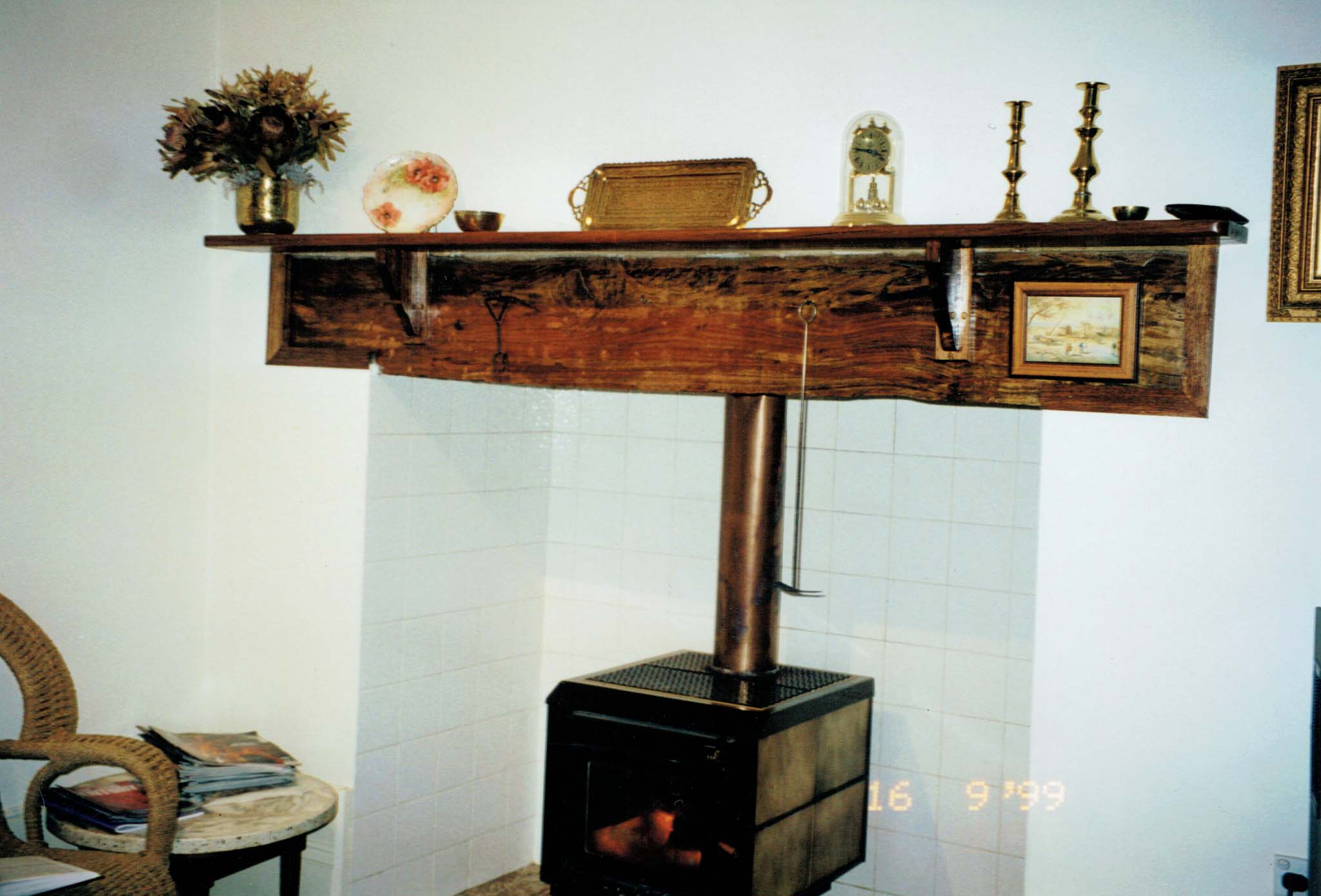
(Above, Netherhill original kitchen fireplace with original timber lintel 1948)
The Reids built a huge, triangular, fox-proof chook yard in the late 1970 which had 7ft high fences dug into ground and a barrier on top of the entire perimeter. Doug had constructed a very modern, two level, concrete duck pond with proper drainage. There was always a range of chooks, Muscovy and Kakhi Campbell ducks, geese and at one stage an annoying peacock and some peahens.
“I remember often having the job of feeding the chooks and collecting the eggs. It was an easy job, but a dreaded one when the geese were nesting because they would hiss and chase anyone that dared to go near them. I loved animals I remember raising two orphan chickens and a duckling at the house. As they become older, and too big for the canary cage they slept in, my Mum (Margaret) decided it was time they moved to the chook yard. I didn’t agree and begged her to let them stay at the house for a bit longer, to no avail. The very next morning after the two pet chickens and duckling spent their first night out in the big chook yard, Mum discovered foxes had got in overnight and massacred everything! I was completely devastated and cried and cried … and poor Mum felt awful.”
“I also remember bringing geese back to the chook yard one afternoon. There was one poor male goose that got picked-on by the others. He always tagged along at the back. This afternoon the geese were avoiding going back to the chook yard, so I must have hurried them along. The poor picked-on goose at the back flapped his wings and took flight. He was flying over the rest with his neck stretched outright, as geese do, looking spectacular as he flew through the air. But he must have misjudged his flight path because he flew, beak first, straight into the trunk of a big old elm tree and dropped to the ground. Dazed, he jumped to his feet and waddled at full speed straight into the chook yard! I can still see this.”
Andrea
(On the left, Andrea and Kathryn cleaning gutters 1975.)
In 1991, when the first ‘Netherhill’ time capsule was buried in the kitchen wall, the old laundry/bathroom was transformed into a modern three-way bathroom and laundry area, with the house’s first ever indoor toilet! After 142 years, this innovation was well overdue and the Reid girls were slightly envious of their parents, after spending their childhoods running to the outside toilet day or night, come rain, hail or shine—dodging snails, slugs, snakes and other undesirable outside creepy crawlies. Not long after, an adjoining second bathroom was also renovated that serviced the original end of the house.
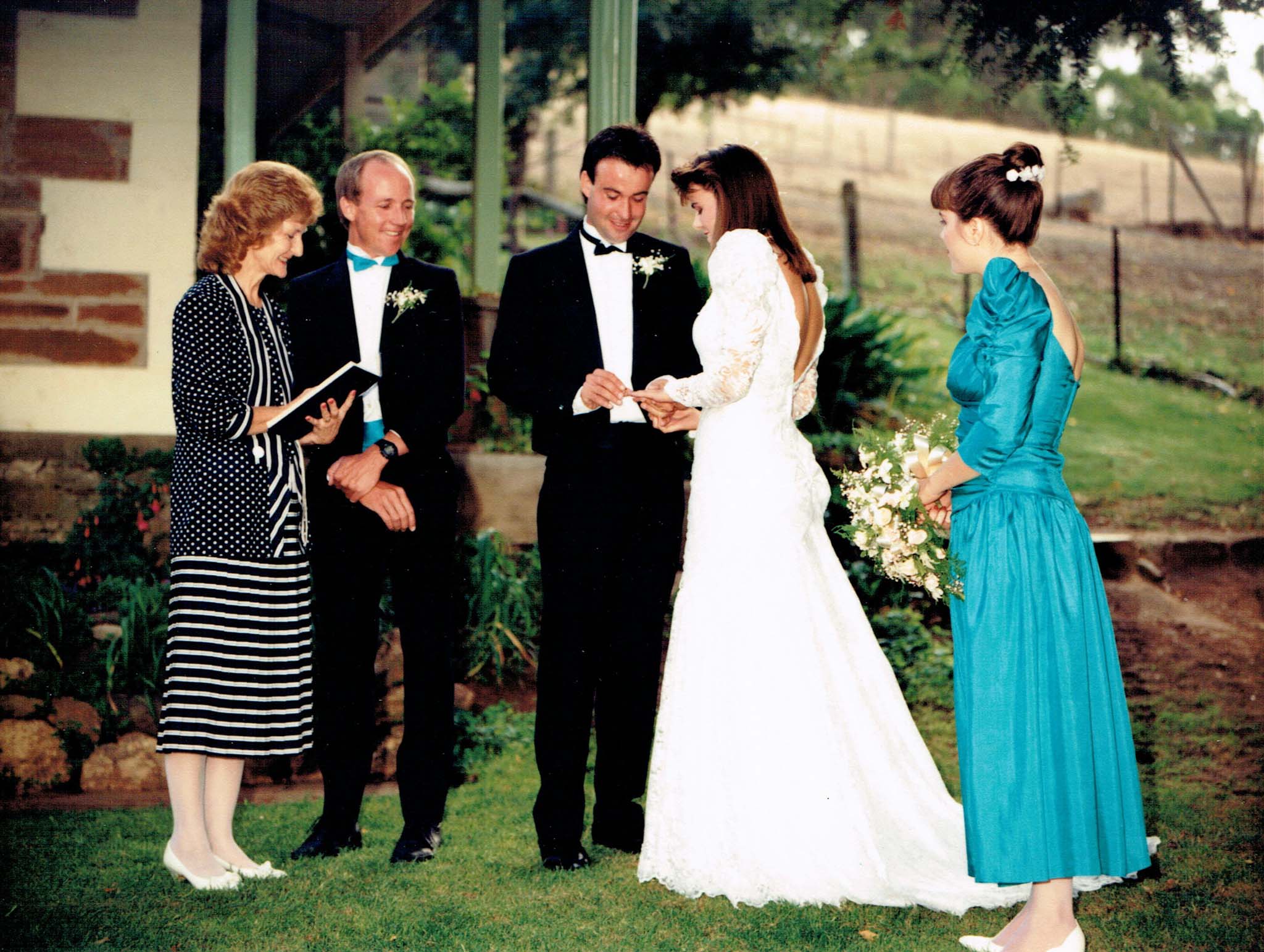
After a having a busy household at ‘Netherhill’ raising five daughters, the offspring gradually packed their bags and left home. At various stages most of the children worked in the family business in different capacities. Doug and Margaret Reid retired in 2007 at the age of 73 and moved into David Street, Lobethal. ‘Netherhill’ was sold to Paul and Elena Cowie.